
What Is On-Page SEO? Complete Optimization Guide





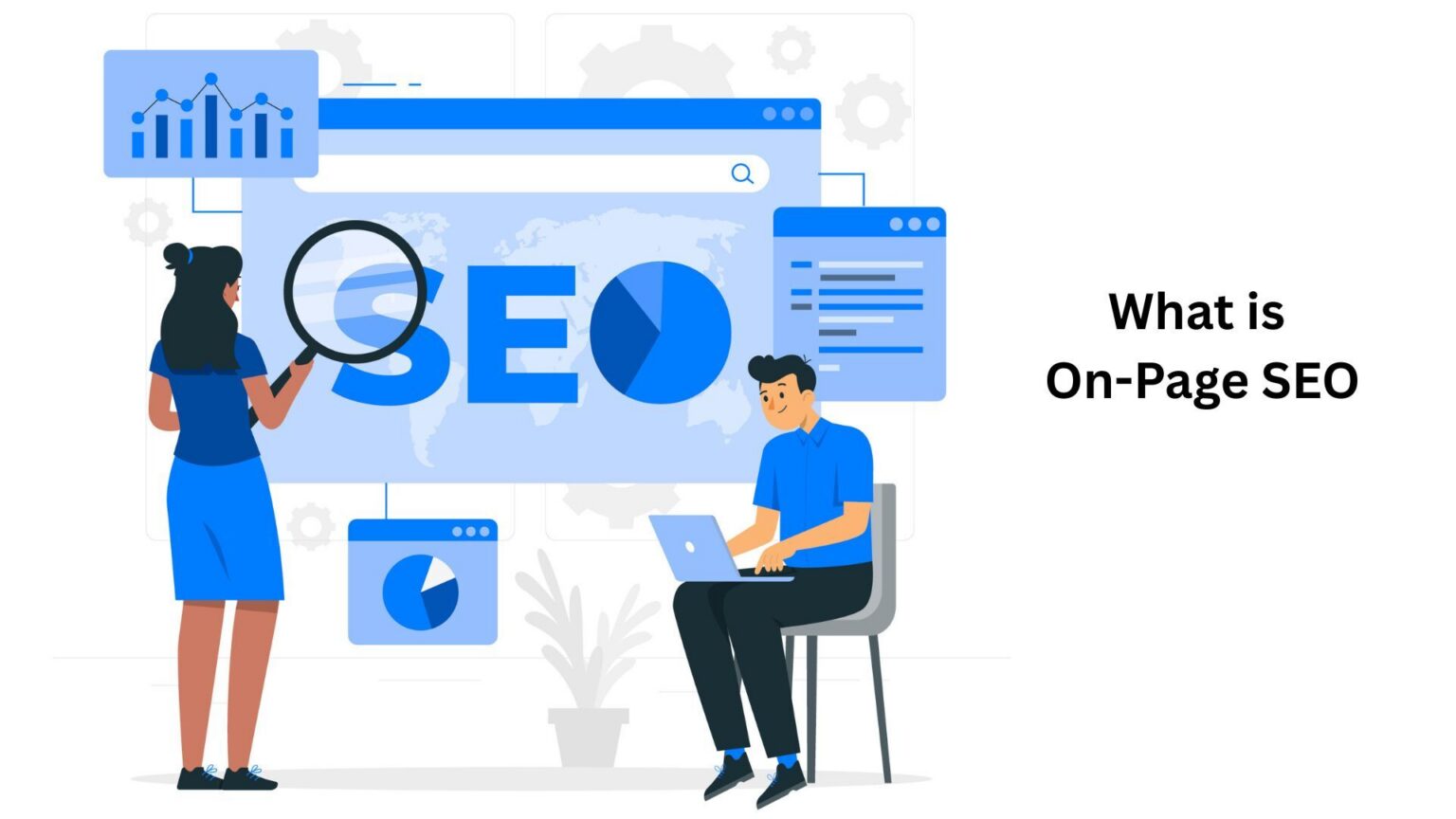
Search visibility is no longer determined by simply publishing a webpage. Search engines evaluate how well a page satisfies user intent, delivers structured information, and provides a smooth browsing experience. The process of optimizing all elements within a webpage to meet these expectations is known as on-page SEO.
For websites aiming to gain sustainable organic traffic, understanding what on-page SEO is and applying its techniques effectively is essential. It helps search engines interpret content accurately while ensuring visitors find information easily.
This comprehensive guide explains the core principles of on-page SEO, including content strategy, technical optimization, page performance, and user experience factors that influence search rankings.
What Is On-Page SEO?
On-page SEO refers to the optimization of elements within a webpage that influence its ranking in search engine results. These elements include content quality, keyword usage, HTML tags, internal linking, page speed, image optimization, and overall page structure.
Unlike off-page SEO, which focuses on external signals such as backlinks, on-page SEO deals entirely with components that website owners directly control.
The goal of on-page SEO can be summarized through two key objectives:
1. Communicating Content Relevance
Search engines analyze various page signals to determine what a webpage is about. Proper keyword placement, structured headings, and descriptive metadata help algorithms understand the topic and match it to relevant searches.
2. Improving User Experience
Pages that are easy to read, quick to load, and well-organized tend to keep visitors engaged longer. Positive engagement signals often correlate with improved rankings.
Modern search algorithms increasingly prioritize user satisfaction. As a result, effective on-page SEO balances technical optimization with clear and helpful content.
Content Quality and Keyword Strategy
Content remains the most influential factor in on-page SEO. Even perfectly optimized technical elements cannot compensate for weak or irrelevant content.
Understanding Search Intent
Before creating content, it is essential to determine the purpose behind a user’s search query. This is known as search intent.
Search intent typically falls into four categories:
Informational Intent
Users want to learn or understand a topic.
Example searches:
-
what is on-page SEO
-
how SEO works
-
website optimization guide
Navigational Intent
Users want to reach a specific website or platform.
Example searches:
-
login page
-
account dashboard
Commercial Investigation
Users are comparing options before making a decision.
Example searches:
-
SEO tools comparison
-
website optimization software
Transactional Intent
Users are ready to take action, such as purchasing or subscribing.
Example searches:
-
buy SEO course
-
download optimization tool
Matching the correct search intent ensures the content meets user expectations and performs better in search results.
Strategic Keyword Placement
Keyword usage remains an important ranking signal when used naturally within the page structure.
Important locations for primary keywords include:
Title Tag
The title tag is the most visible SEO element in search results. Including the primary keyword near the beginning helps signal topic relevance.
Example structure:
Primary Keyword + Context + Year
H1 Heading
Each page should contain a single H1 heading that clearly describes the main topic.
Introduction Paragraph
Search engines evaluate the opening section of content to confirm relevance. The primary keyword should appear naturally within the first 100 words.
Subheadings
H2 and H3 headings help structure the article and provide opportunities to include secondary keywords.
Body Content
Keywords should appear naturally within the text while maintaining readability.
Instead of repeating the same keyword excessively, include related phrases and synonyms that reinforce the topic.
Building Topical Depth
Search engines reward pages that provide comprehensive coverage of a subject.
Topical depth involves:
-
answering common questions related to the topic
-
explaining concepts clearly
-
including supporting keywords
-
covering multiple aspects of the subject
For example, an article about on-page SEO should also address topics such as:
-
title tags
-
meta descriptions
-
internal linking
-
page speed
-
structured data
This broader coverage helps search engines recognize the page as an authoritative resource.
Long-form content between 1800 and 2000 words often provides sufficient space to address these elements effectively.
Technical On-Page SEO Elements
Technical elements help search engine crawlers interpret and index page content correctly. These components operate behind the scenes but significantly influence rankings.
Title Tags
The title tag appears as the main clickable headline in search engine results.
Best practices include:
-
keep titles under 60 characters
-
include the primary keyword
-
ensure every page has a unique title
-
maintain clear and descriptive language
An effective title encourages users to click while communicating the page topic.
Meta Descriptions
Meta descriptions summarize the page content below the title in search results.
Although they do not directly influence rankings, they strongly affect click-through rates.
Optimization tips:
-
maintain length between 150 and 160 characters
-
include the primary keyword
-
provide a clear reason for users to click
A well-written description improves visibility and attracts relevant traffic.
Header Tags (H1, H2, H3)
Header tags structure the content hierarchy.
H1
Represents the main topic of the page.
H2
Introduces major sections of the content.
H3
Breaks down subtopics within sections.
Proper header usage helps both readers and search engines navigate the page.
URL Structure
URLs should remain clear and descriptive.
Key recommendations include:
-
keep URLs short
-
include primary keywords
-
use hyphens between words
-
avoid unnecessary filler words
Example:
good example:
/on-page-seo-guide
poor example:
/a-complete-guide-to-understanding-on-page-seo-techniques
Clean URLs improve readability and help search engines understand page topics.
Image Optimization and Page Performance
Images improve engagement but can negatively affect performance if not optimized properly.
Image Optimization
To maintain both speed and accessibility, images should follow these guidelines:
Compressed File Size
Large images slow page loading times. Compressing images reduces file size without significantly affecting quality.
Descriptive File Names
File names should describe the image content and include keywords where appropriate.
Example:
on-page-seo-checklist.jpg
Alt Text
Alt text describes images for accessibility and search engines.
Proper alt text:
-
explains the image clearly
-
supports the surrounding content
-
may include relevant keywords if appropriate
Alt text improves accessibility while helping search engines understand visual content.
Page Speed and Core Web Vitals
Page speed is a direct ranking factor and a critical component of user experience.
Search engines measure performance through Core Web Vitals, which evaluate loading speed and visual stability.
Largest Contentful Paint (LCP)
Measures how quickly the main content becomes visible.
Interaction to Next Paint (INP)
Evaluates how quickly the page responds to user interactions.
Cumulative Layout Shift (CLS)
Tracks visual stability by measuring unexpected page movement during loading.
Improving these metrics involves:
-
optimizing images
-
reducing unnecessary scripts
-
enabling browser caching
-
using efficient hosting infrastructure
Fast pages improve both rankings and visitor retention.
Internal and External Linking
Links help search engines understand how pages connect and distribute authority across a website.
Internal Linking Strategy
Internal links connect different pages within the same website.
Benefits include:
-
improving page discoverability
-
distributing ranking authority
-
guiding users to related content
Effective internal linking practices:
Contextual Links
Include links within the content where they naturally support the topic.
Descriptive Anchor Text
Use meaningful anchor text that describes the linked page.
Example:
“technical SEO checklist”
instead of
“click here”
Content Clusters
A common structure involves:
-
pillar pages covering broad topics
-
cluster pages covering detailed subtopics
This model signals topical authority and improves navigation.
External Links
Linking to credible external resources strengthens content credibility.
Benefits include:
-
providing supporting evidence
-
improving trust signals
-
offering additional learning resources for readers
External links should always point to relevant and authoritative information.
Opening these links in new tabs allows users to continue exploring the original page.
Enhancing User Experience Signals
Search engines increasingly rely on behavioral signals to evaluate page quality.
Positive signals include:
-
longer time on page
-
lower bounce rate
-
increased engagement
Improving user experience directly supports SEO performance.
Readability and Content Formatting
Content should be easy to scan and digest.
Recommended formatting techniques include:
Short Paragraphs
Keep paragraphs concise for easier reading on mobile devices.
Bullet Points and Lists
Lists simplify complex information and improve clarity.
Visual Elements
Charts, graphics, and illustrations help explain technical concepts.
White Space
Adequate spacing between sections reduces visual clutter and improves readability.
These elements make content more accessible to both readers and search engines.
Mobile Optimization
Most searches occur on mobile devices, making mobile responsiveness essential.
Mobile optimization includes:
-
responsive layouts
-
readable font sizes
-
easily clickable buttons
-
fast loading speed
Search engines primarily evaluate the mobile version of a page when determining rankings.
Structured Data (Schema Markup)
Structured data helps search engines understand the meaning and context of page content.
Schema markup can enable enhanced search results such as:
-
article snippets
-
FAQ sections
-
how-to guides
Structured data improves search visibility and may increase click-through rates.
Common schema types used in content pages include:
-
article schema
-
FAQ schema
-
how-to schema
Implementing structured data correctly provides additional context for search engines.
On-Page SEO Optimization Checklist
Use the following checklist when optimizing any webpage:
ElementOptimization GoalKeyword ResearchIdentify primary keyword and confirm search intentTitle TagInclude keyword and maintain clear structureMeta DescriptionWrite compelling summary with target keywordH1 TagUse one clear heading describing the page topicContent IntroductionInclude keyword naturally in early paragraphsSubheadingsStructure content using H2 and H3 headingsContent DepthProvide comprehensive coverage of the topicURL SlugKeep short and keyword-focusedImage OptimizationCompress images and add descriptive namesAlt TextDescribe images accuratelyInternal LinksAdd links to relevant pages within the websiteExternal LinksReference credible resourcesReadabilityUse short paragraphs and listsMobile OptimizationEnsure responsive designStructured DataImplement schema markup where relevant
Following this checklist helps ensure that all major on-page SEO elements are addressed.
Conclusion
Understanding on-page SEO is essential for building a strong foundation in search optimization. It combines content quality, technical precision, and user-focused design to create pages that search engines can easily understand and users can easily navigate.
Successful on-page SEO involves:
-
creating comprehensive and relevant content
-
structuring pages with clear headings and metadata
-
optimizing images and performance
-
improving page speed and usability
-
building strong internal linking networks
When these elements work together, webpages become easier to index, easier to read, and more likely to rank well in search results.
On-page SEO is not a one-time task but an ongoing process. As search algorithms evolve and user expectations change, continuous optimization ensures that content remains relevant, accessible, and competitive in the digital landscape.
Related Posts

Toxic Backlinks: What They Are & How to Find Them
Backlinks are an essential part of SEO, but not all backlinks are beneficial. Some can harm your website’s search performance. These harmful links are known...

Influence of Google Local Guides on Your Business
Google Local Guides are Google Maps users who share reviews, and photos, answer questions, add or edit places, and even check facts on Google Maps....
Refreshing Content Boosts Visibility & How RFS Helps Us
Refreshing or updating content, and changing the published date, improves visibility and ranks. However, it only works for queries where the users expect fresh content. You...