
What Is AMP & Why It Matters for SEO in 2026






Introduction
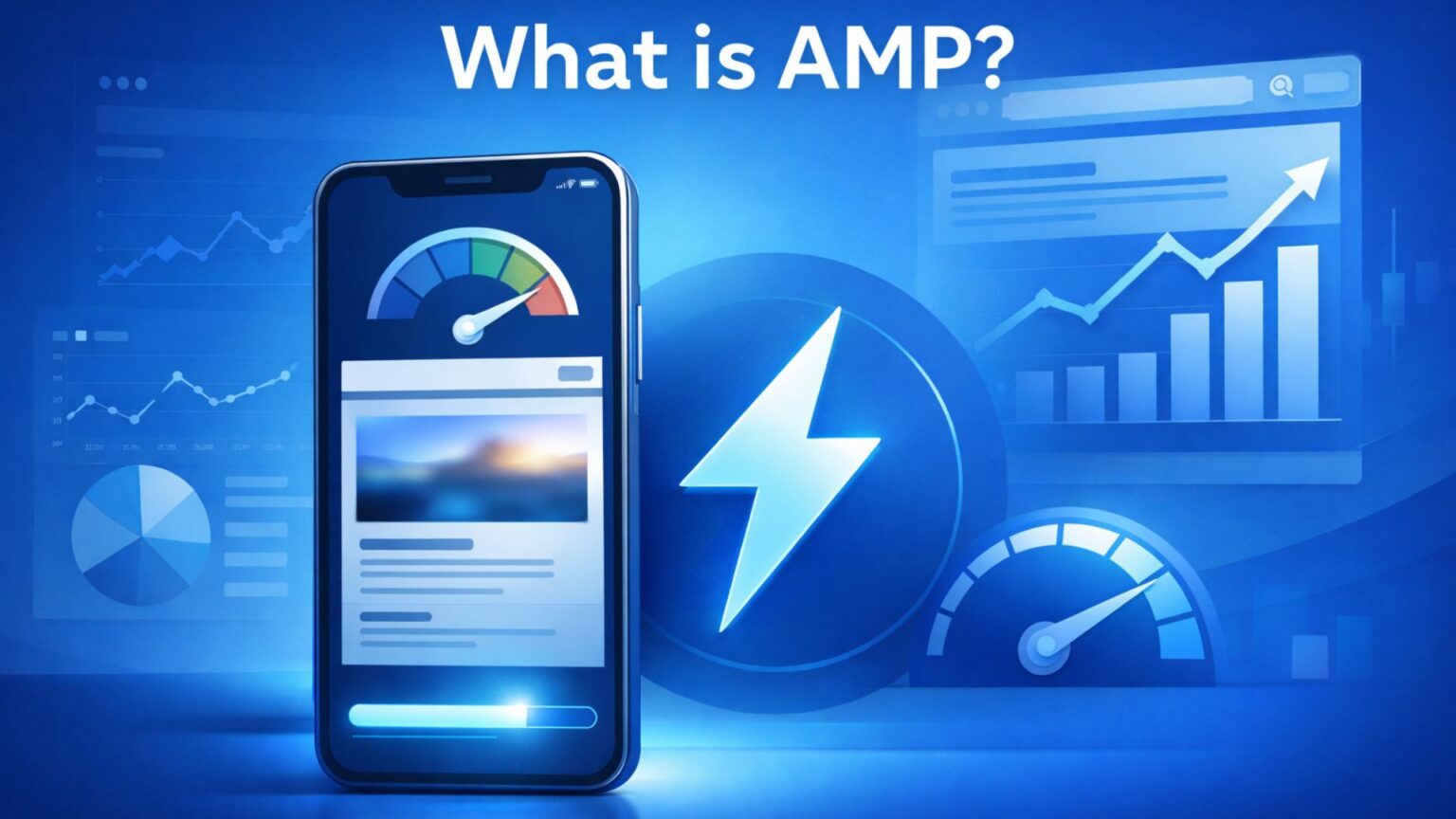
Mobile users expect websites to load instantly. Even a few seconds of delay can increase bounce rates and reduce conversions. This demand for speed led to the development of AMP (Accelerated Mobile Pages) a framework built to improve mobile performance and streamline content delivery. Understanding what is AMP and how it impacts SEO is essential for building a strong digital presence.
What is AMP?
AMP is an open-source HTML framework created to enhance page speed on mobile devices. It works by simplifying web code and limiting elements that slow down performance. Instead of allowing heavy scripts and complex layouts, AMP enforces a structured, lightweight format that loads quickly across devices.
Originally focused on news publishers, AMP now supports blogs, landing pages, and other content-driven websites. The goal remains consistent: deliver fast, reliable, and user-friendly web experiences.
How AMP Works
AMP functions through three primary components:
1. AMP HTML
AMP HTML is a streamlined version of standard HTML. It replaces traditional tags with optimized components such as . CSS must be inline and limited in size, ensuring faster rendering and reduced layout shifts.
2. AMP JavaScript
Custom JavaScript is restricted. Instead, AMP uses its own optimized library to handle interactivity. This prevents render-blocking scripts and improves page responsiveness.
3. AMP Cache
AMP pages are stored in a content delivery network (CDN). When users click on a result, the page is served from the cache, reducing server load and improving loading speed.
What is the Use of AMP?
The primary use of AMP is improving mobile performance. Faster pages lead to:
- Lower bounce rates
- Better user engagement
- Higher content consumption
- Improved mobile experience
For publishers and blog owners, this translates into stronger retention and potentially better organic visibility.
What is AMP in SEO?
AMP is not a direct ranking factor. However, it supports SEO by improving Core Web Vitals, including:
- Largest Contentful Paint (LCP)
- Interaction responsiveness
- Layout stability
Since page experience signals influence rankings, AMP indirectly strengthens SEO performance by enhancing speed and usability.
Advantages of AMP
- Faster mobile loading
- Reduced server strain
- Better user engagement
- Structured, performance-focused design
Limitations of AMP
- Limited design flexibility
- Restricted JavaScript usage
- Maintenance of dual page versions
- Reduced customization options
Should You Use AMP?
AMP works best for content-heavy sites such as blogs, news portals, and informational platforms. For dynamic websites like e-commerce stores or web applications, its restrictions may limit functionality.
If your focus is mobile content delivery and improved page experience metrics, AMP can be a practical solution.
Conclusion
AMP is a performance-driven framework designed to enhance mobile speed and user satisfaction. While not mandatory for SEO success, it provides a structured path toward meeting page experience standards. For content-focused websites, implementing AMP can strengthen engagement and support long-term search visibility in a mobile-first digital environment.
Related Posts

How to Use Google Trends for Keyword Research
Search engine optimization relies heavily on choosing the right keywords. One tool that can help you make informed decisions is Google Trends, which provides valuable...

Toxic Backlinks: What They Are & How to Find Them
Backlinks are an essential part of SEO, but not all backlinks are beneficial. Some can harm your website’s search performance. These harmful links are known...
How to Handle URL Parameters?
URL parameters play a critical role in SEO. Although they are invaluable assets for adept SEO professionals, they can lead to major challenges and hinder...